

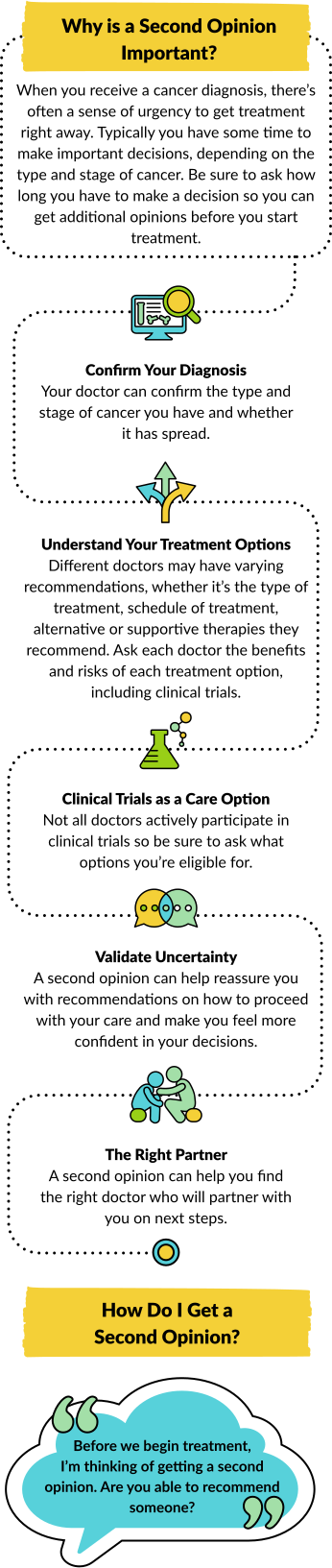
When you receive a cancer diagnosis, there’s often a sense of
urgency to get treatment right away. Typically you have some time
to make important decisions, depending on the type and stage of
cancer. Be sure to ask how long you have to make a decision so you
can get additional opinions before you start treatment.
Confirm Your Diagnosis
Your doctor can confirm
the type and stage of
cancer you have and
whether it has spread.
Understand Your Treatment Options
Different doctors may have varying recommendations,
whether it’s the type of treatment, schedule of
treatment, alternative or supportive therapies they
recommend. Ask each doctor the benefits and risks of
each treatment option, including clinical trials.
Clinical Trials as a Care Option
Not all doctors actively participate
in clinical trials so be sure to ask
what options you’re eligible for.
The Right Partner
A second opinion can
help you find the right
doctor who will partner
with you on next steps.
Validate Uncertainty
A second opinion can
help reassure you with
recommendations on
how to proceed with
your care and make you
feel more confident in
your decisions.

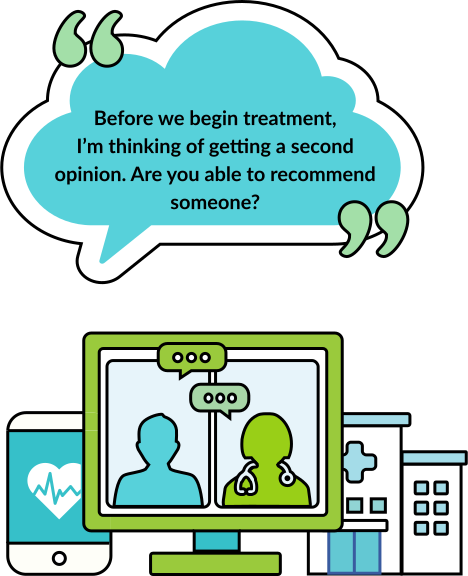
Talk to your current doctor since a second opinion is routine in cancer care today. They may even have recommendations for you.
Think about the type of facility you want to go to for treatment.
Do you prefer to see an individual doctor or a group practice?
Do you want to go to a local hospital or facility that’s close to home with community services or a major cancer center that may have more access to supportive services and clinical trials.
How far are you willing to travel for treatment?
Before making an appointment for a second opinion, ask your insurance company what is covered. This includes both the doctor and where you may receive additional care, such as surgery or other inpatient hospital cancer care, if needed. They may have specific doctors or hospitals you need to choose from to receive coverage.
There are many places to search for an oncologist, which include your insurance company’s website. Learn more about searching for a doctor or cancer center.
Prepare for your appointment by contacting the doctor’s office to confirm what they will need to receive ahead of time, including any medical records, test results and/or biopsy slides. You should always have copies of your medical records for yourself, which include pathology reports, operative report (if you’ve had surgery), discharge summary (if you were in the hospital), treatment plan summary and list of all your medications (including dates and doses).

Talk to your current doctor since a second opinion is routine in cancer care today. They may even have recommendations for you.

Think about the type of facility you want to go to for treatment. Do you prefer to see an individual doctor or a group practice? Do you want to go to a local hospital or facility that’s close to home with community services or a major cancer center that may have more access to supportive services and clinical trials. How far are you willing to travel for treatment?

Before making an appointment for a second opinion, ask your insurance company what is covered. This includes both the doctor and where you may receive additional care, such as surgery or other inpatient hospital cancer care, if needed. They may have specific doctors or hospitals you need to choose from to receive coverage.

There are many places to search for an oncologist, which include your insurance company’s website. Learn more about searching for a doctor or cancer center.

Prepare for your appointment by contacting the doctor’s office to confirm what they will need to receive ahead of time, including any medical records, test results and/or biopsy slides. You should always have copies of your medical records for yourself, which include pathology reports, operative report (if you’ve had surgery), discharge summary (if you were in the hospital), treatment plan summary and list of all your medications (including dates and doses).
